

Blog
Reverse Osmosis Water Systems on Yachts and Boats Explained

Fresh water is essential onboard any yacht or boat. Whether used for drinking water, cooking, cleaning, or general onboard comfort, a reliable water supply is critical for both safety and quality of life at sea. This is why reverse osmosis water systems have become one of the most important onboard technologies in modern yachting.
This article provides a clear, educational explanation of reverse osmosis on yachts and boats, covering how the reverse osmosis process works, how seawater is converted into fresh water, what components are involved, and why reverse osmosis systems are considered the most reliable solution for marine water production.
Understanding Reverse Osmosis on Yachts and Boats
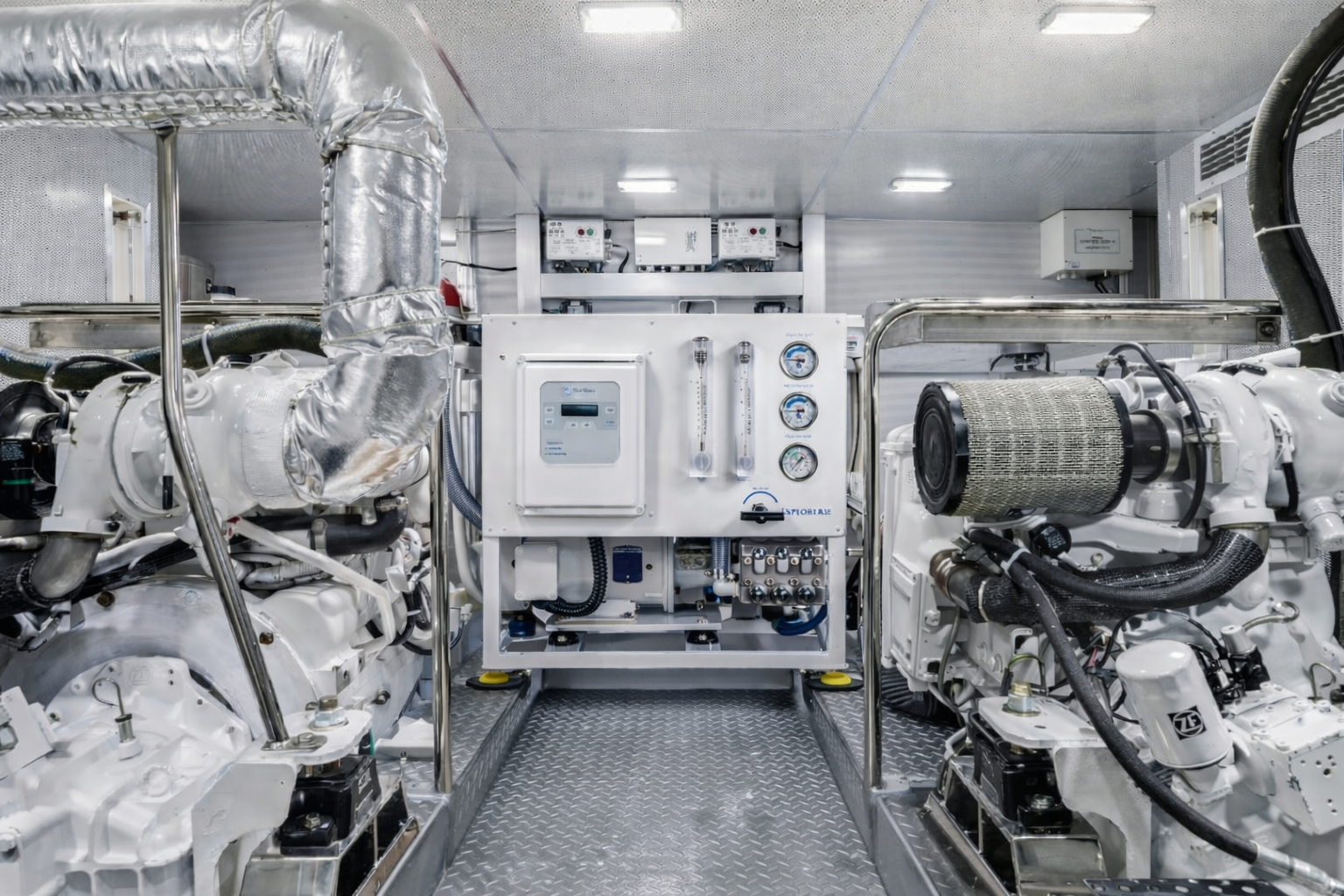
Reverse osmosis is a water filtration and desalination process that removes salt, impurities, and dissolved solids from seawater to produce clean, drinkable water. On yachts and boats, reverse osmosis is used as part of a shipboard reverse osmosis system, often referred to as a watermaker.
The system works by forcing seawater through a semi-permeable membrane under high pressure. This membrane allows pure water molecules to pass, while rejecting mineral salts, sodium, bacteria, and other impurities. The result is fresh water suitable for onboard use.
Why Reverse Osmosis Is Essential for Marine Use
At sea, access to a safe water supply cannot be taken for granted. Reverse osmosis systems allow yachts and boats to become independent of shore-based water sources.
Key benefits include:
- Continuous access to safe drinking water
- Reduced reliance on marinas and water tanks
- Improved onboard water quality
- Reliable water production in remote locations
- Greater autonomy for long-range cruising
For marine use, reverse osmosis is the only proven technology capable of desalinating seawater efficiently and consistently.
For a broader perspective on onboard water independence and long-term cruising, you can also read our article on why marine watermakers are essential for modern yachts, sailboats, and long-term cruisinghere.
The Reverse Osmosis Process Explained
The reverse osmosis process onboard yachts and boats follows a precise sequence designed to ensure water quality, system reliability, and membrane protection.
1. Seawater Intake (Feed Water)
Seawater, also called feed water, is drawn into the water system from below the waterline. This water source contains salt, dissolved solids, suspended particles, and microorganisms.
2. Pre-Filtration
Before entering the RO system, seawater passes through multiple stages of water filtration. These filters remove large suspended solids, sediment, and organic material, ensuring the water is free from large contaminants before reaching the membrane.
Pre-filtration is essential to protect the reverse osmosis membrane from clogging or damage.
3. High-Pressure Pump
A high-pressure pump increases water pressure to overcome natural osmotic pressure. This pressure forces seawater through the semi-permeable membrane.
On yachts, pressure typically increases gradually, often by approximately 1.0 bar at a time, until optimal operating pressure is reached.
4. Semi-Permeable Membrane
The reverse osmosis membrane is the heart of the system. It allows only pure water molecules to pass through while rejecting:
- Mineral salts
- Sodium
- Chlorine
- Dissolved solids
- Bacteria and viruses
Salt rejection rates typically range from 90–96% or higher, depending on system design and operating conditions.
5. Brine Discharge
Concentrated saltwater, known as brine, is discharged safely back into the sea. This process removes unwanted impurities from the onboard water supply.
6. Fresh Water Production
The water that passes through the membrane becomes fresh water produced onboard, suitable for drinking, cooking, and general use. This water is stored in water tanks for distribution throughout the yacht.
Reverse Osmosis Water Quality Onboard
Reverse osmosis significantly improves water quality by removing:
- Total dissolved solids (TDS)
- Mineral salts
- Impurities
- Microorganisms
The resulting water is clean, filtered water that is safe and drinkable. Because reverse osmosis removes nearly all dissolved minerals, the water is extremely pure. Some systems incorporate post-filtration to balance taste and ensure long-term safety.
Drinking Water and Safe Water Supply at Sea
One of the main reasons yachts use reverse osmosis systems is to ensure access to safe drinking water. Onboard water produced through reverse osmosis is free from contaminants commonly found in untreated seawater.
Maintaining a reliable supply of drinking water is especially important during long passages, remote anchoring, and extended cruising where shore access is limited.
Reverse Osmosis Systems vs Other Marine Water Systems
While other water systems may improve taste or kill bacteria, only reverse osmosis systems can remove salt from seawater.
Comparison:
- Carbon filtration: Improves taste, removes chemicals
- UV sterilisation: Kills bacteria
- Chemical treatment: Disinfects water
- Reverse osmosis: Removes salt, dissolved solids, and impurities
For marine desalination, reverse osmosis remains the most reliable and proven solution.
Water Production Capacity on Yachts
Water production varies depending on the size and design of the RO system. Production rates are influenced by:
- Water temperature
- Salinity levels
- Pressure
- Membrane condition
- System efficiency
Larger yachts typically require higher water production to support guests, crew, and onboard systems, while smaller boats may prioritise energy efficiency.
Energy Recovery and System Efficiency
Modern reverse osmosis water systems often include energy recovery devices to improve efficiency. These systems capture hydraulic energy from the brine discharge and reuse it to assist water flow and pressure generation.
Energy recovery reduces power consumption and allows reverse osmosis systems to operate more efficiently, particularly on yachts with limited energy resources.
Power Requirements for Marine Reverse Osmosis Systems
Reverse osmosis systems require energy to operate high-pressure pumps. Power may be supplied by:
- DC power systems
- AC power
- Generators
Energy demand varies depending on system size, water production goals, and whether energy recovery is used.
Installation Considerations for Yachts and Boats
Proper installation is essential for system reliability and long-term performance.
Key considerations include:
- Access for regular maintenance
- Ventilation
- Seawater intake positioning
- Electrical capacity
- Space for filters, membranes, and pumps
A well-installed RO system ensures consistent onboard water production and extends membrane life.
Maintenance and Reliability
Regular maintenance ensures reliable systems and consistent water quality. Long-term performance also depends on proper system care and maintaining clean onboard environments, especially in warm marine climates.
Maintenance tasks include:
- Replacing filters
- Monitoring water flow and pressure
- Flushing membranes
- Preventing chlorine exposure
- Preserving membranes during downtime
With proper maintenance, reverse osmosis membranes can last several years.
Reverse Osmosis for Boats and Yachts of All Sizes
Reverse osmosis is suitable for:
- Sailing yachts
- Motor yachts
- Catamarans
- Expedition vessels
System design and capacity should always match vessel size and onboard water demand.
Environmental Considerations
Marine reverse osmosis systems discharge brine back into the sea. When operated in open water and away from polluted environments, environmental impact is minimal.
Avoid running systems in:
- Shallow marinas
- Enclosed harbours
- Polluted water sources
The Role of Reverse Osmosis in Modern Yachting
Reverse osmosis has transformed water management onboard yachts. Today, it is a standard solution for ensuring:
- Clean drinking water
- Reliable onboard water supply
- Independence from shore water
- Consistent water quality
Frequently Asked Questions (FAQs)
What is reverse osmosis on yachts and boats?
Reverse osmosis on yachts and boats is a desalination process that converts seawater into fresh drinking water by forcing it through a semi-permeable membrane under high pressure.
Is reverse osmosis water safe to drink?
Yes. Reverse osmosis removes dissolved solids, salts, and impurities, producing clean, drinkable water suitable for onboard use.
How does seawater become fresh water onboard?
Seawater is forced through an RO membrane that allows only pure water molecules to pass, while salt and impurities are rejected and discharged as brine.
What is an RO system?
An RO system is a reverse osmosis water system used to filter seawater and produce fresh water onboard yachts and boats.
How much maintenance does a reverse osmosis system need?
Regular maintenance includes filter replacement, membrane flushing, and monitoring water quality to ensure reliable operation.
Can reverse osmosis systems run while underway?
Yes. Many systems perform best while the yacht is moving, as cleaner seawater improves filtration and water production.
Final Thoughts
Reverse osmosis water systems are one of the most important onboard technologies for yachts and boats. By understanding how the reverse osmosis process works, how seawater is transformed into clean drinking water, and how systems are maintained, yacht owners and crew can ensure a reliable, safe, and high-quality onboard water supply wherever their journey leads.
If you have specific questions about onboard water systems or how reverse osmosis works in different yacht environments, feel free to contact us for further information.
In addition to onboard reverse osmosis systems, dockside water quality management plays an important role in overall maintenance. Mobile filtration solutions such asYachtmate’s Clear Mate Mobileare commonly used to reduce contaminants in marina water during washdowns and routine cleaning.